
Description
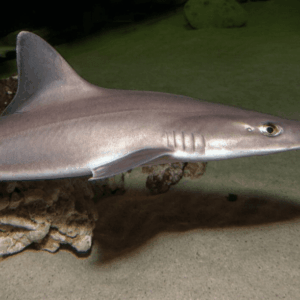
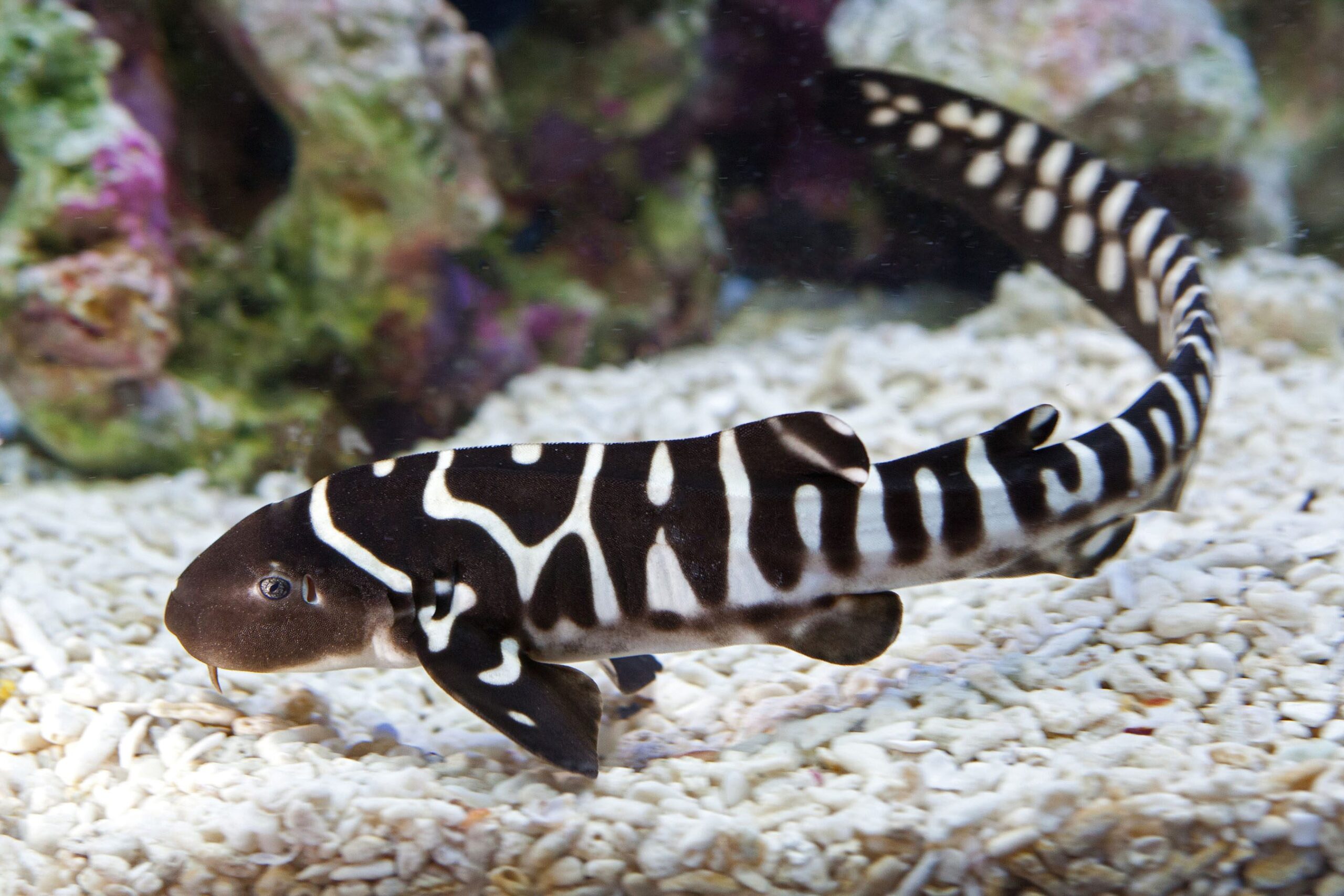
Zebra sharks typically grow to be 5.5 to 11.5 feet long, with the longest recorded specimen reaching nearly 12 feet. They start as smaller pups with stripes, but as they mature, they develop their signature spots and their size increases significantly.
Zebra sharks typically live for about 25 to 30 years, with both their wild and captive lifespans estimated to be similar. Some sources report they can live over 28 years.
- Lifespan: Around 25–30 years in both the wild and captivity.
- Breeding: Males and females reach maturity at around 5–6 feet in length.
- Reproduction: They lay egg cases that take about 6.5 months to hatch.
- Pup development: Newborns are born with dark stripes but develop the spotted pattern of an adult as they grow.
Zebra sharks are nocturnal, slow-swimming, and bottom-dwelling predators that rest on the seafloor during the day. They become active at night to hunt for invertebrates and small fish, using barbels on their snouts to find prey in crevices and then using suction to pull food into their mouths. During daylight hours, they rest on their pectoral fins and can pump water over their gills to breathe, and are generally considered harmless to humans.
Nocturnal and social behavior
-
Nocturnal hunters:Zebra sharks hunt primarily at night for small fish, crustaceans, mollusks, and other invertebrates.
-
Daytime rest:During the day, they typically lie still on the ocean floor, propped up on their pectoral fins, often facing into the current to stay oxygenated.
-
Solitary but social:They are usually solitary but may form loose groups of 20 to 50 individuals during the breeding season.
Hunting and feeding
-
Sensory barbels:They use fleshy barbels that look like whiskers on their snouts to detect prey hidden in the sand or reef crevices.
-
Suction feeding:After locating prey, they can create suction with their mouth to forcefully pull food into their mouths.
-
Flexible body:Their long, flexible bodies allow them to wriggle into tight spaces to access prey.
Other behaviors
-
Breathing:Unlike some other sharks, they can stay still because they are able to pump water over their gills to breathe.
-
Reproduction:They are an oviparous (egg-laying) species. The females lay large egg cases that hatch after about six and a half months, and the pups are born independent.
-
Virgin birth:They are one of the few species of shark known to have the ability to give birth without a male present through a process called parthenogenesis.
-
Non-aggressive:Zebra sharks are not aggressive toward humans and are considered harmless, though they may bite if provoked.