
Description
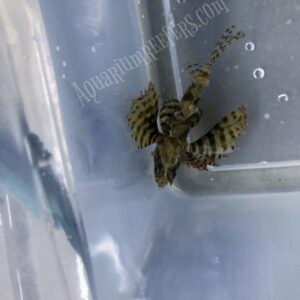
The Panamic Barnacle Blenny (Acanthemblemaria hancocki), with its spiky appearance and burrowing behavior, is a cute addition for any saltwater tank. This small, easy-to-care-for blenny thrives in well-aged aquariums. Its subtle coloration blends with most environments, making it an intriguing, low-maintenance addition for hobbyists.
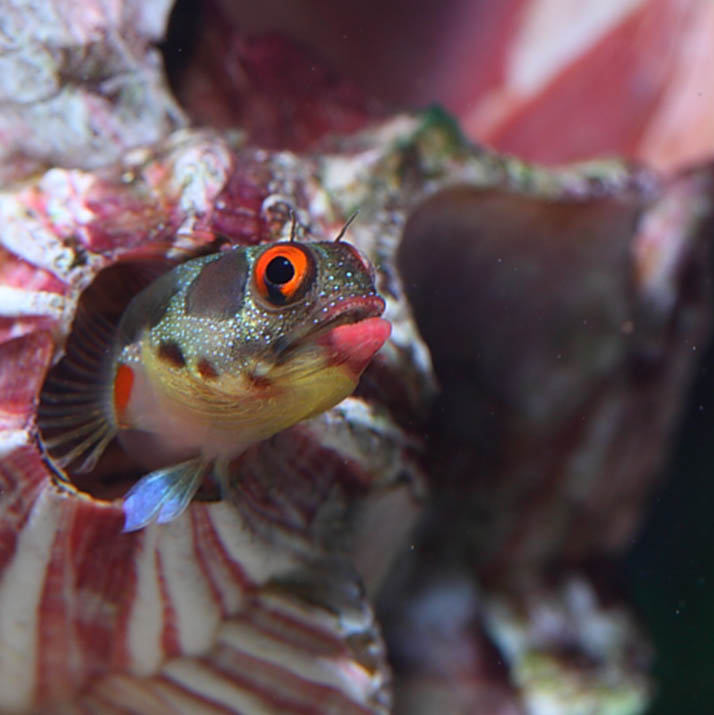
The Panamic Blenny (Acanthemblemaria hancocki) is also known as Hancock’s Blenny and can be found along the coast of El Salvador and Panama. It has a beige body with brown and black spots and red eyes. It thrives along rocky coral reefs searching for small crustaceans to feed on. It should be kept with other peaceful fish and should be fed a primarily carnivorous diet.
The Panamic Barnacle Blenny (Acanthemblemaria hancocki) is a unique and captivating addition to saltwater marine aquariums, prized for its distinctive appearance and interesting behavior. This comprehensive product description will delve into various aspects of keeping the Panamic Barnacle Blenny, offering valuable insights for aquarium enthusiasts.
The Panamic Barnacle Blenny is predominantly found in the warm waters of the Eastern Pacific Ocean, particularly along the coasts of Mexico and the Gulf of California. In the wild, they inhabit crevices and holes in rocky and coral reefs. These microhabitats provide them with essential shelter and a steady source of food.
The Panamic Barnacle Blenny is generally considered reef-safe, making it a suitable choice for reef aquariums. This species stays close to their chosen hiding spots and rarely behaves aggressively toward corals or other invertebrates.
This species is relatively small, with adults typically reaching an average size of 2 to 2.5 inches (5 to 6 cm). In captivity, they have a lifespan of approximately 2 to 4 years, making them a long-term commitment for marine aquarists.
Panamic Barnacle Blennies are omnivorous and will accept a variety of foods in captivity. Their diet should include high-quality marine pellets, frozen foods like brine and mysis shrimp, and occasional live or frozen meaty foods. Ensuring a well-balanced diet will help maintain their health and vibrant coloration.